
For most players, the first time they see a new game is not a trailer on a publisher channel. It is a creator they already watch, playing it live, reacting to it in a Short, or arguing about it in a video. Creators have become the main discovery layer for games, and publishers know it. What most of them still get wrong is how to run it.
The usual pattern: a list of big names, a burst of sponsored videos in launch week, a dashboard full of views, and no idea how many of those views became players. This playbook is the alternative. It is built from the way we run creator programs for publishers, studios and platforms across launches and live ops.
Why creator marketing works differently for publishers
A consumer brand asks creators to talk about something their audience did not come for. A publisher asks creators to do what they already do: play games. That changes the whole model.
- You own the product creators want. Early builds, beta keys, embargoed access and developer time are currencies no brand can match. Use them before you use money.
- You have more than one shot. Announce, beta, launch, every season and every major patch is a new reason for a creator to come back. Relationships compound across your portfolio.
- You can measure the outcome. Wishlists, pre-registrations, installs and retention are trackable per creator. There is no excuse for reporting views alone.
Match creators to the launch phase
The biggest mistake publishers make is using the same creators, formats and goals from announce to live ops. Each phase needs a different mix. (For the full timeline, see our game launch marketing playbook.)
| Phase | Creator mix | Best formats | Goal | KPI |
|---|---|---|---|---|
| Announce | A few tier-1 names with embargoed access | Reaction videos, first looks | Cultural awareness | Wishlists, pre-registrations |
| Beta / pre-launch | Mid-tier creators in the genre | Gameplay streams, first impressions | Intent and feedback | Beta sign-ups, community growth |
| Launch week | Wide bench across tiers and regions | Dedicated streams, Shorts, clips | Peak install volume | Installs, CPI, store rank |
| Live ops / seasons | Long-term ambassadors plus a rotating bench | Patch coverage, events, challenges | Retention and reactivation | D7/D30 retention, returning players |
Tier-1 creators are an awareness tool. Mid-tier creators who already play the genre are the conversion engine. Launch week is the only moment when breadth beats depth.
Build a program, not a list of deals
One-off sponsorships reset to zero every time. A program builds on itself. A healthy publisher creator program has three layers:
- Ambassadors (5 to 15 creators). Long-term partners who play your game on their own time, get early access and dev contact, and are paid on a retainer plus performance. They carry your credibility.
- The bench (30 to 150 creators). Mid-tier and micro creators activated per beat: beta, launch, each season. Paid per activation, ideally with a CPA kicker. This is where most of your installs come from.
- The long tail (hundreds to thousands). Small creators and clippers producing short-form content at volume. Cheap per view, enormous in aggregate.
Access is part of the deal structure, not a perk. Creators who get the build a week early, a private Discord channel with the dev team, or a cosmetic named after their community produce better content and ask for less money.
Use player clips to scale the long tail
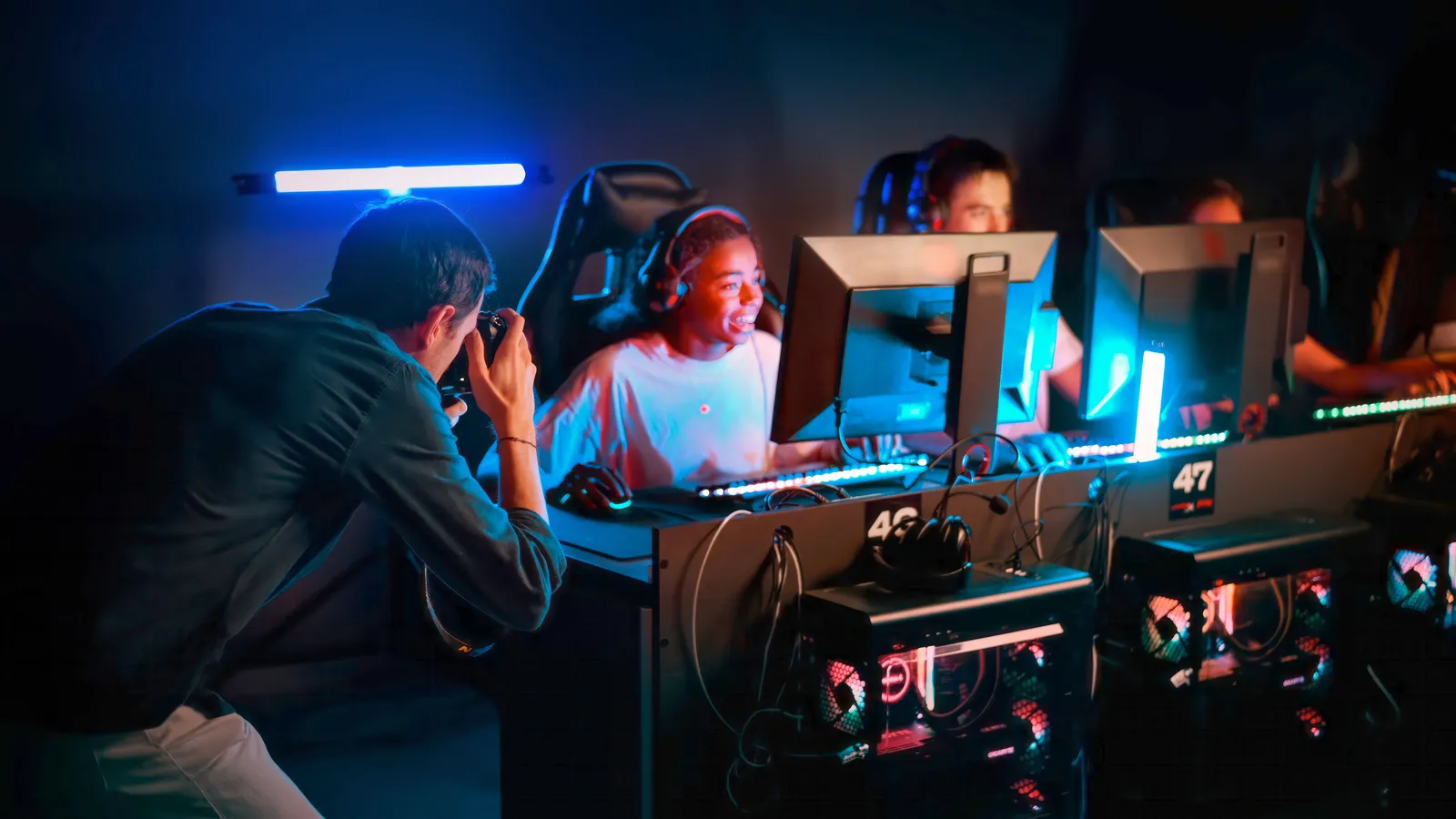
“How can publishers use player clips for marketing?” is one of the fastest-growing questions we see in search, and the answer is clipping. Instead of paying a handful of creators for finished videos, you open a campaign to hundreds of clippers, hand them gameplay, reference clips and rules, and pay per approved clip with a view bonus.
It is the same model that took 500 Casino to 1.92B+ views on a $77,500 budget and Rain.gg to a $0.05 CPM across 750+ creators. For a publisher, the source material is even better: real gameplay, big moments, funny bugs and clutch plays are exactly what short-form feeds reward. The mechanics are in our UGC clipping playbook.
Price it like a portfolio
Creator fees vary more by format and market than by platform. A 60 to 90 second integration costs a fraction of a dedicated video and often converts better, because it reaches the creator’s normal audience instead of a sponsored-video audience that skips. Our gaming influencer rate card has the ranges by tier, platform and market, and the creator marketing benchmarks have the CPM and CPA medians to check quotes against.
Three rules that keep budgets honest:
- Spend on mid-tier first. Ten creators who already play your genre will tell you more in two weeks than one mega deal will in a quarter.
- Run hybrid deals. A fixed fee plus a CPA bonus aligns incentives. Most mid-tier creators accept it.
- Buy volume, not single posts. Season-long commitments lower the per-activation cost and keep creators coming back.
Measure installs, not views
Views tell you a video was watched. They do not tell you it sold the game. Every creator should have their own tracked link from day one:
- PC and console: tag store links per creator so wishlists and purchases can be attributed by source. Steam supports UTM tracking on store page links, which makes this straightforward.
- Mobile: issue a unique attribution link per creator through your measurement partner, and compare installs, CPI and D7 retention by creator cohort.
- Everywhere: report CPA and retention per creator, not just reach. The creators whose players stick are the ones to renew.
After the first cycle, cut the bottom third of the bench and reinvest in the top. For the full measurement framework, see how to measure ROI in esports and gaming campaigns.
Go native in every region
A launch that ships globally with English-only creators leaves most of its audience on the table. RU/CIS, LATAM, MENA and Southeast Asia each have their own creator ecosystems, platforms and humor, and native creators outperform translated campaigns on both CPM and CPA. Our work on the Esports World Cup’s Arabic TikTok (205.5M+ views and 208K new followers) is a good example of what dialect-native content does. If Southeast Asia is on your roadmap, read our guide to esports marketing in Southeast Asia.
Common mistakes
- Booking creators who do not play the genre. Audience mismatch is the most expensive error in creator marketing.
- Over-scripting. If the integration does not sound like the creator, viewers skip it.
- Going dark after launch. The creators who carried launch week are the cheapest way to keep players through season one.
- No per-creator tracking. Without it, you will renew the loud creators instead of the effective ones.
How we work with publishers
We run creator programs end to end for publishers and studios: casting by genre and region, deal structuring, briefs and access, clipping at volume, and attribution on every creator. We have also run real-time social coverage for PUBG Esports with BLAST, so launch-week speed is a habit, not a stretch. See how our gaming creator agency works, or book a strategy call.
Related reading: Influencer Marketing in Gaming: How to Choose the Right Creators · The Game Launch Marketing Playbook · Retention and Live-Ops Marketing
Ready to Ignite Your Growth?
Let's discuss how we can help your brand succeed in gaming, esports, or fintech marketing.
Get a Free Strategy Call →